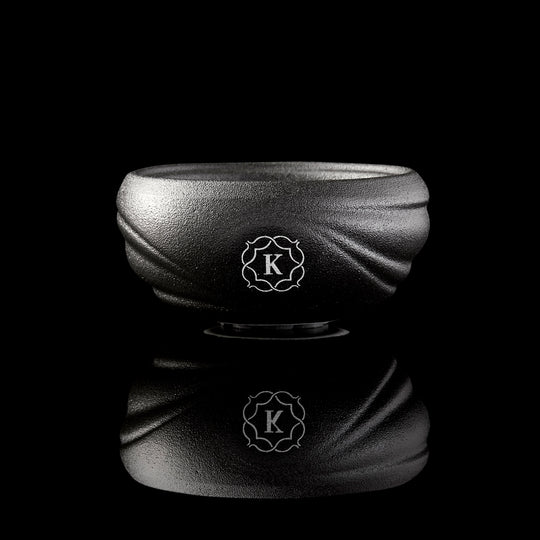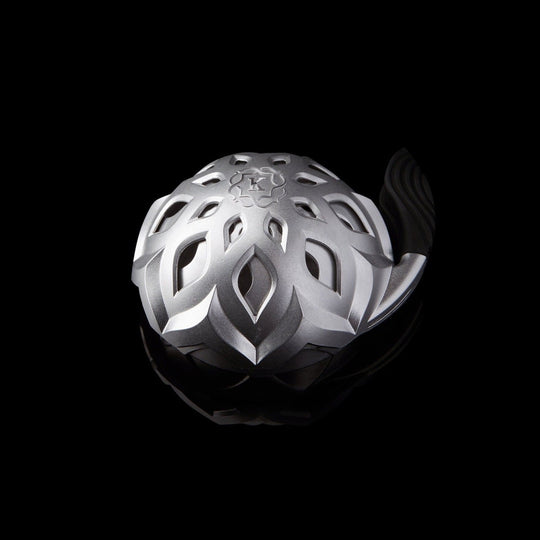
Kaloud Kore Dào (道) Black Clay and I+3 Heat Management Device

Bowl and Heat, Engineered Together
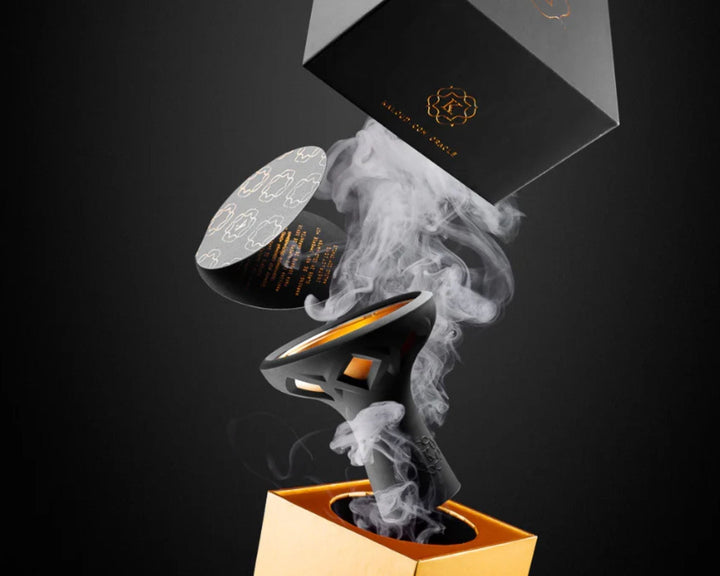
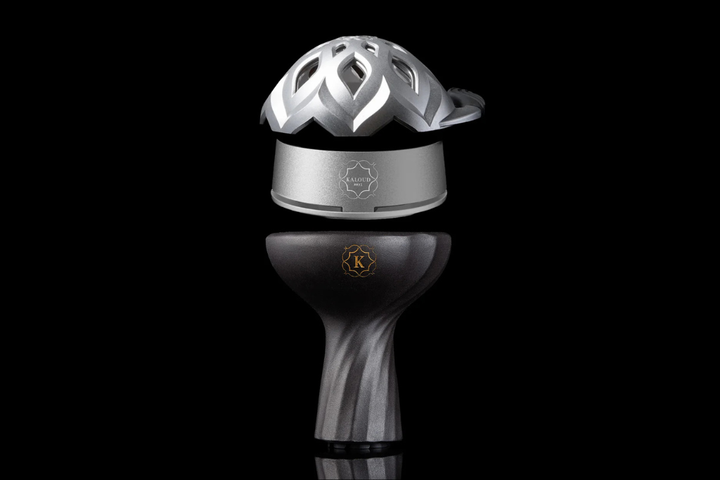
The Dào black-clay bowl and Lotus® I+3 pairing pairs a Samsaris® bowl with a Lotus® I+3 heat management device to create a coordinated interface for controlled heat, deliberate airflow, and straightforward setup.

Enhanced Flavor Delivery

Easy to Pack & Handle

Integrated Airflow

Premium - Grade Material

Universal Compatibility

Even Heat Distribution

Hot Surface.
Handle With Care.
A Purposeful Pairing
Designed to remove compatibility guesswork, the bowl and HMD work as a considered system while preserving the distinct thermal character of the selected clay.
The Kaloud Journal
Further Reading


When shisha molasses overheats, it loses water, its sugars brown and darken, and its glycerol and propylene glycol move toward thermal breakdown. Controlled studies of heated glycerol and propylene glycol have detected breakdown products...
Read the storyA hookah heat management device (HMD) is a metal cap that sits on top of the bowl in place of foil and holds the charcoal. It keeps the coals off the shisha and spreads...
Read the storyShisha should be heated to between 130 and 220°C, Kaloud's target temperature range. Controlled studies of heated glycerol and propylene glycol, the main humectants in shisha, have detected aldehyde formation from about 215°C [1]....
Read the storyWatch
See it in session
Tap a video to play. Products shown can be added from the player.
Read
More from the Journal
Lotus vs. Foil: Which Heat Management Method Actually Protects Flavor?
A side-by-side breakdown of how foil and the Kaloud Lotus manage charcoal heat differently, and why that difference...
Hookah Bowl Materials Explained: Clay vs. Ceramic vs. Silicone vs. Glass
Not all hookah bowls perform the same. From traditional clay to modern silicone and elegant glass, each material...

How Long Does a Hookah Session Last? Heat Cycles and Stability Explained
How long a hookah session lasts depends on shisha moisture, coal heat output, bowl setup and draw rate....

Is Hookah Worse Than Cigarettes? Heat, Exposure, and Delivery Explained
Whether hookah is worse than cigarettes depends on which variable is being measured. Per-puff byproduct concentration, total session...
Hookah vs Vape vs Cigarettes: Heat, Temperature, and Byproduct Differences
Cigarettes burn tobacco directly. Vapes heat liquid on an electric coil. Hookahs heat shisha with charcoal above the...
Hookah Flavor Chemistry: How Heat and Materials Shape Taste
Hookah flavor is not just about the blend; it’s about chemistry. This guide explains how glycerin, molasses, and...

Hookah Coals Explained: Heat, Combustion, and Smoke Quality
Hookah performance starts with heat. This guide breaks down how charcoal behaves, why heat becomes unstable, and how...

The Science of Heat: Cooking Tobacco Instead of Burning It with Kaloud’s HMDs
Discover the science behind hookah heat management. Learn how Kaloud's Lotus I+3 stainless steel HMD engineers precision flavor,...
Explore Samsaris® Bowls
Discover Samsaris® bowls and coordinated Kaloud® heat-management pairings for a more intentional ritual.
Explore Samsaris®Frequently Asked Questions
-
What is included in this bundle?
This bundle includes one Samsaris® Kore Dào (道) Black Clay Bowl and one Lotus I+3 Heat Management Device. Bowl size and Lotus finish are selected at checkout.
-
Why pair the Kore Qì (氣) Black Clay bowl with the Lotus I+3?
The stable heat profile of black clay pairs with the Lotus I+3’s precise heat control to deliver longer, smoother sessions with consistent flavor.
-
Is the Lotus I+3 compatible with the Kore Qì (氣) Black Clay Bowl?
Yes. The Lotus I+3 is fully compatible with the Samsaris Kore Dào Black Clay Bowl and is designed to work seamlessly together.
-
How do I clean the Black Clay Bowl?
Rinse with water only after the bowl has cooled completely. Avoid soap or abrasives. Allow to air dry fully before use.
-
How do I clean the Lotus I+3 Heat Management Device?
Allow the Lotus I+3 to cool completely before cleaning. Rinse with warm water to remove residue and dry thoroughly. Do not use soap or abrasive materials.